
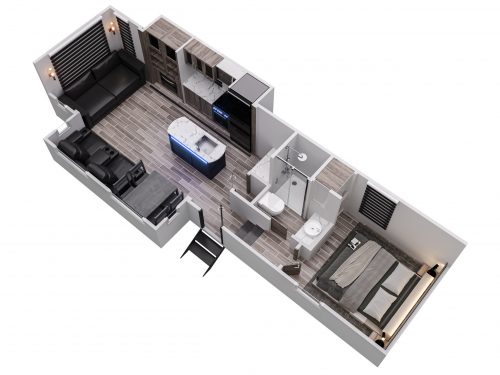
Is a Fifth Wheel Worth It? Cost, Value, and Use Case
Choosing a touring setup is a balance of budget, comfort, and how you plan to travel. Fifth wheels sit in a sweet spot for people who want real living space without moving to a full motorhome. This guide gives you a clear, neutral look at costs and benefits so you can decide with confidence.
What you actually pay for
Total ownership cost includes more than the purchase price. Build a simple checklist before you start shopping.
- Purchase price: New fifth wheels vary widely by size, specification, and brand. Expect a premium versus many touring caravans, but often less than equivalent motorhomes with similar living space. If you are budget minded, explore reputable dealers for used models to understand the range at different ages and specs.
- Tow vehicle: You need a suitable pickup with a correctly installed fifth wheel hitch. Check rated towing capacity, payload, and braking equipment. If you already own a compatible truck, you save here. If not, include the cost of buying or upgrading a pickup and the hitch install.
- Hitch and fitting: A compliant 5th wheel coupling and installation by specialists is essential. Include wiring, bed reinforcement if required, and certification paperwork.
- Insurance: You will insure both the trailer and the tow vehicle. Pricing varies with storage, security, value, and usage pattern.
- Storage: Units near 10 metres may not fit on a typical driveway. Budget for offsite storage with good access and security if needed.
- Servicing and maintenance: Annual servicing helps protect warranties and catches issues early. Tyres, brakes, bearings, slide-out seals, and roof inspections are routine. Factor in seasonal tasks such as winterisation and pre-trip checks.
- Fuel and running costs: Towing uses more fuel than solo driving. Plan routes sensibly, manage speed, and pack efficiently to keep costs predictable.
- Depreciation: Fifth wheels follow normal RV depreciation. Higher quality models with strong aftersales support can hold value better, particularly with full service history and tidy condition.
What you get in return
The draw of a fifth wheel is the living experience.
- Real space: Taller ceiling height, residential seating, and slide-outs deliver an apartment feel on a standard pitch footprint. You can cook, relax, and host without feeling cramped.
- Stable towing and easier pitching: The pin over axle geometry improves stability and tracking. Full auto levelling shortens setup, then slide-outs extend safely to open the lounge and kitchen.
- Year-round touring: Polar grade insulation, double glazing, efficient heating and smart climate controls support winter trips and shoulder season touring. With sensible maintenance, cold weather does not have to stop you.
- Practicality for long stays: Generous storage, king or queen beds, residential appliances, and smart control systems make longer trips comfortable. Many layouts include space that is compatible with a washing machine, which helps if you tour for weeks.
- Aftersales support: Strong dealer back-up, seasonal servicing, and towing guidance reduce hassle across ownership, which matters more the longer you tour.
Is it worth buying a fifth wheel?
It depends on how you travel. If you tour frequently, stay for longer on each pitch, and value domestic comfort, a fifth wheel can be excellent value in use. You pay more upfront for the truck and hitch, but you gain a stable tow, a quick setup routine, and a living space that feels like home.
If your trips are short, infrequent, and focused on compact sites with tight access, a smaller touring caravan may be simpler and cheaper overall. The decision turns on usage hours and comfort priorities. As a rule of thumb, the more nights you spend touring, the more a fifth wheel makes sense.
How much does a 5th wheel RV or fifth wheel camper cost?
Prices vary by size, brand, age, and specification. New luxury models carry a premium, especially with multiple slide-outs, advanced insulation, and residential appliances. At the other end, older or compact units reduce entry cost but may need more maintenance. To benchmark the market, compare like for like: number of slide-outs, insulation levels, heating and cooling, furniture grade, and included technology.
If you are cost sensitive, review reputable dealers’ pre-owned stock to see how age and spec affect pricing, then cross-check with servicing history and condition. A solid service record is worth paying for, as it supports better reliability and resale value.
Is a 5th wheel a good investment?
Financially, fifth wheels depreciate, like most recreational vehicles. Treat the purchase as a lifestyle investment, not a profit vehicle. The return you can count on is the quality of time spent touring. You can tip the balance in your favour by:
- Buying a layout that fits how you travel, so you keep it longer.
- Matching the unit to a correctly rated pickup to avoid wear and compliance issues.
- Keeping a clean, complete service history to protect resale value.
- Storing it well to preserve seals, roof condition, and interior.
With those basics in place, the non financial return is strong if you tour often and want a residential feel without moving to a motorhome.
Use cases where fifth wheels shine
- Full season or all year touring: Insulation, double glazing, and controlled heating make winter viable with the right prep.
- Working away or long stays: Space to live and work comfortably, with storage and proper seating for daily routines.
- Couples who host: Lounge seating, dinettes, and sofa beds make it easy to have friends or family over at a site.
- Families who need zones: Separate sleeping areas and slide-outs create quiet zones for rest or play.
Practical realities to plan for
- Height and length: Plan routes and book pitches that suit your dimensions. Many sites accommodate larger units, but you should check access notes.
- Learning curve: Reversing is still a skill even though tracking is stable. Practice in a quiet space and use a spotter when possible.
- Power management: On hook-up, run high draw appliances one at a time to avoid tripping. Off grid, size solar and batteries to your usage and carry two filled 13 kg gas bottles when appropriate.
- Seasonal care: Winterisation and annual servicing keep systems reliable and protect warranties. Simple regular checks on seals and slide-out gaskets pay off.
How Eurocruiser supports the value case
Eurocruiser focuses on practical comfort and legal compliance across the UK and Europe. Models feature extreme insulation, double glazing, auto levelling, and slide-outs that keep road width compliant when retracted. The team provides towing compatibility advice, approved hitch guidance, and servicing from annual checks to waste tank cleaning and firmware updates. Warranties include a 3 year manufacturer’s cover and 5 year water ingress cover, which helps manage risk through ownership.
When to choose a different option
- You only tour a few weekends a year and want minimal setup.
- You cannot store a larger unit and do not want offsite storage.
- You prefer very compact sites or remote lanes with tight width and height limits.
In these cases, a smaller touring caravan might fit your pattern better.
Summary: make the decision that fits your touring life
A fifth wheel is worth it if you value space, stability on the road, and year-round touring comfort. The costs are real, from the pickup and hitch to storage and servicing, but the living experience can outperform smaller caravans if you travel often and stay longer. The best path is to price the whole package, compare layouts against your usage, and check towing compatibility before you commit.
Ready to explore in person or plan your maintenance schedule? Book a viewing at Eurocruiser, or secure your next service slot with the team.
Powered by Eurocruiser
- Learn about hitches and installation with the 5th wheel coupling guide.
- Explore the Elite specification to benchmark comfort features in luxury caravans: our Elite range.
- Compare space gains from slide-outs in expanding caravans: expanding slide-out caravans.